Backwards Address Lookup: Who Lives There and Who Owns It?
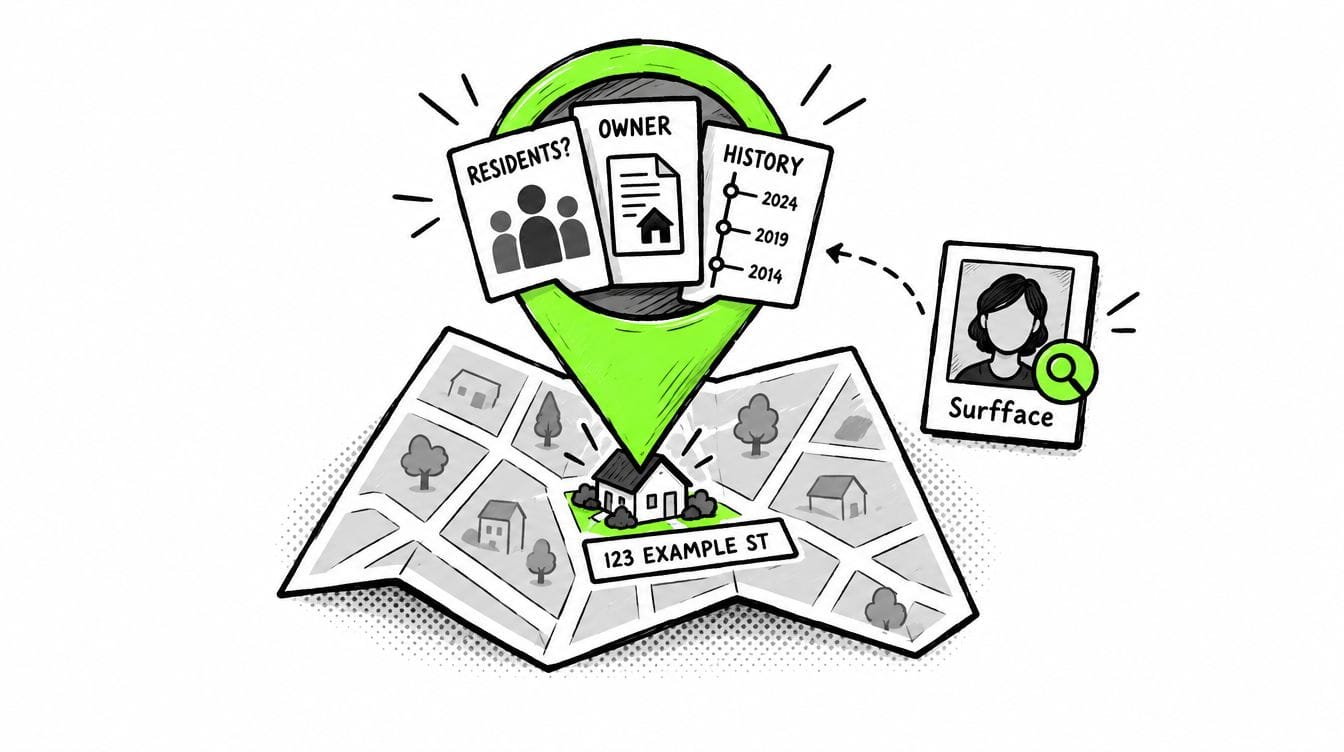
Backwards address lookup, also called reverse address lookup, uses a street address to research possible residents, property owners and public records. To check who lives at this address, start with resident directories. For ownership, use assessor and deed records. Zillow helps with property details and listing history. Free results are available but address associations can be outdated. If you only have a photo, start with Surfface to discover public-source identity leads.
What is backwards address lookup?
Backwards address lookup, usually called reverse address lookup, turns an address into a starting point for research.
“Who owns this property?” and “Who lives at this address?” require different evidence. A landlord can own a house without living there. A directory can list someone who moved years ago.
This guide focuses on U.S. sources.
Reverse address lookup: choose tools for your goal
Start your backwards address lookup with the question you need answered.
What can a backwards address lookup reveal?
Connect names, property details and dates rather than relying on one result.
A valuable home does not establish someone's wealth. Multiple names at an address do not prove a family relationship. A mortgage document does not establish today's outstanding balance.
Who lives at this address? Start with resident directories
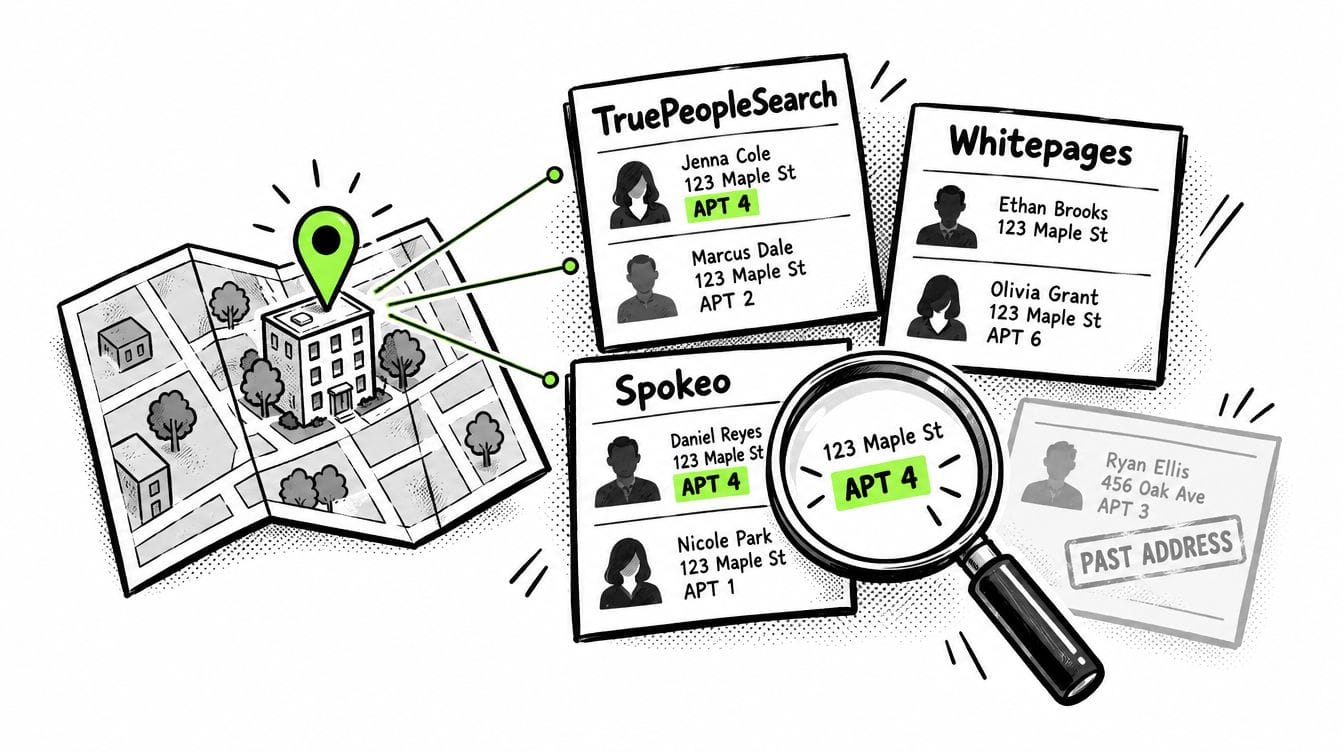
Start with resident directories rather than property listings. Zillow may describe the home very well while telling you little about its occupants.
Reverse address lookup directories: free and paid options
- TruePeopleSearch: Advertises free reverse address lookup and address histories. Sponsored links may lead to paid services.
- Whitepages: Offers people and reverse address searches. Some details require a subscription or one-time purchase.
- Spokeo: Offers reverse address search and property owner lookup. Review purchase terms.
Include the apartment number. Results without it are building-level associations.
Check address history. Without reliable dates, you cannot confidently sequence someone's reported addresses.
Practical trick: Compare directory results with dated original sources. Two directories may repeat the same purchased data. The FTC explains that these services compile public records, public profiles and data from other brokers.
For cooperative verification, ask the person to confirm their address through an established channel.
“Address lookup free”: what can you check without paying?
Searches for “address lookup free” can lead to free records, previews and paid reports. Start with directories, accessible county records and property listings. Before paying, confirm what is included and whether access renews automatically. Payment does not establish accuracy.
Address lookup for property owners: follow the records
Use the local assessor or property appraiser to identify the parcel and reported owner. Use the recorder, register of deeds or land-records office to inspect recorded transfers.
A practical workflow:
- Search the official local property portal by address.
- Record the parcel number and property location.
- Compare the owner name with the owner mailing address.
- Find relevant recorded deeds and check document dates.
- Look for later transfers before relying on an older ownership entry.
The Maricopa County Assessor supports address and parcel searches. New York City's ACRIS provides recorded documents for Manhattan, Brooklyn, Queens and the Bronx from 1966 onward. Use its address lookup to identify the borough-block-lot reference.
Practical trick: If address searching fails, try the parcel identifier. Preserve leading zeros and follow the portal's format.
If the owner is an LLC, use the relevant state's official business register to check the entity. A registered agent accepts official correspondence and is not automatically an owner, resident or property manager.
Zillow address lookup: property details and history
Zillow supports backwards address lookup through property details and history.
Search the exact address on Zillow. Where available, review:
- Property type, bedrooms, bathrooms and floor area.
- Sale and listing history.
- Price changes and listing descriptions.
- Tax history.
- Photographs and named listing professionals.
Zillow uses public records, listing-service data and user-submitted details. Its Zestimate is an automated estimate rather than an appraisal. Property information can also be incomplete or incorrect.
Compare with Realtor.com's property records, which include individual residential property pages.
Practical trick: Use listing history to build a timeline. A recent sale or rental listing gives you a reason to question an older directory association. It does not prove that the listed person moved.
Reverse address lookup for rental and business checks
For a rental, your question is whether the advertiser has a legitimate connection to the property.
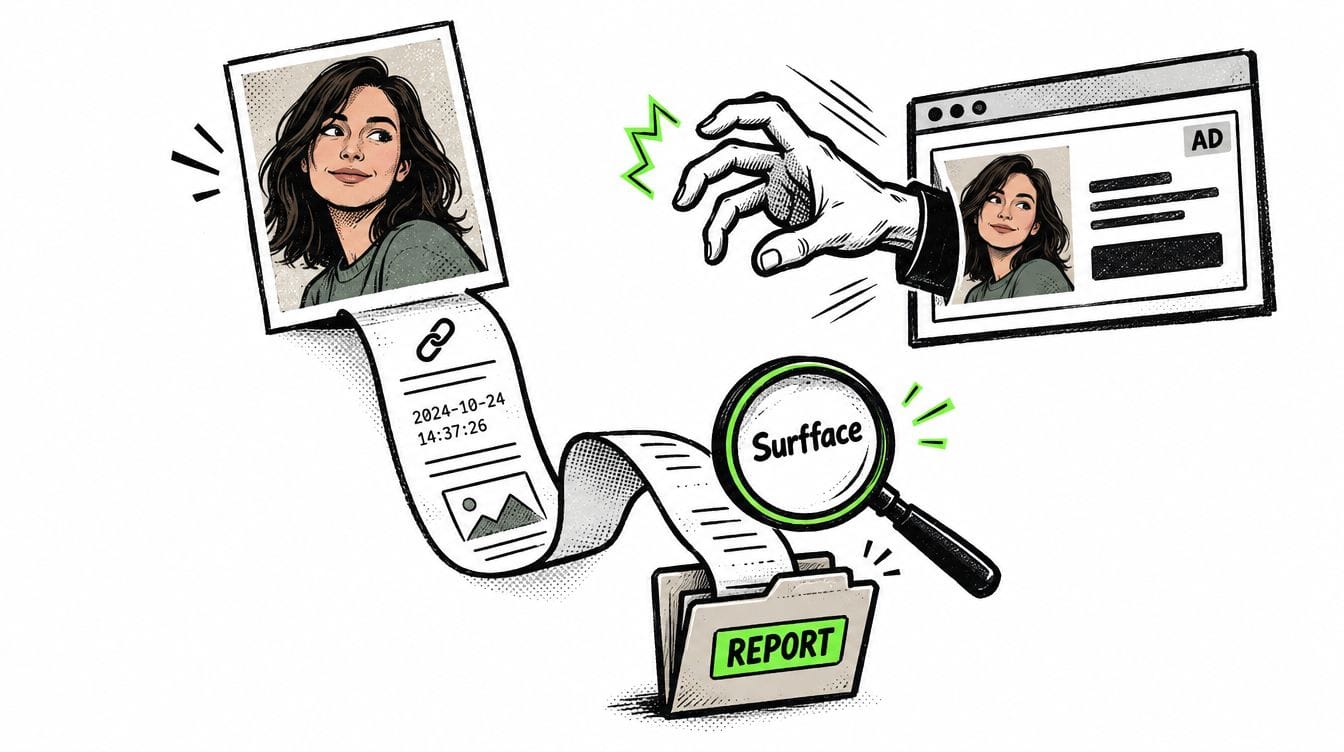
Search the address across listing platforms and the named managing company's website. Compare photographs, descriptions, rent and contact details. Search a distinctive sentence from the advertisement in quotation marks to find reused text.
The FTC's rental-scam guidance describes scammers copying legitimate listings and replacing the contact information. It recommends comparing address listings and checking ownership.
Worked example: Two rental advertisements use identical photographs but name different management companies. Find the established company's contact details independently and ask whether the advertiser is authorized before sending money.
For a business, compare its website address with official filings and map listings. An address used by a virtual office or registered-agent service can explain why many unrelated companies appear there.
An address mismatch is a question to investigate, not automatic proof of fraud.
Find former residents through historical address directories
For historical occupancy, contemporary people-search reports are often the wrong starting point.
Try local library collections and the Library of Congress city-directory guide. City directories can include residents, occupations and addresses. Some have street-address sections that let you work backward from a property.
Practical trick: Look for “street directory,” “reverse directory” or “crisscross directory.” Browse street sections manually if searchable scans miss an address.
Check neighboring years. A single listing establishes what was published for that period rather than an exact move-in or move-out date.
How to do a backwards address lookup for free
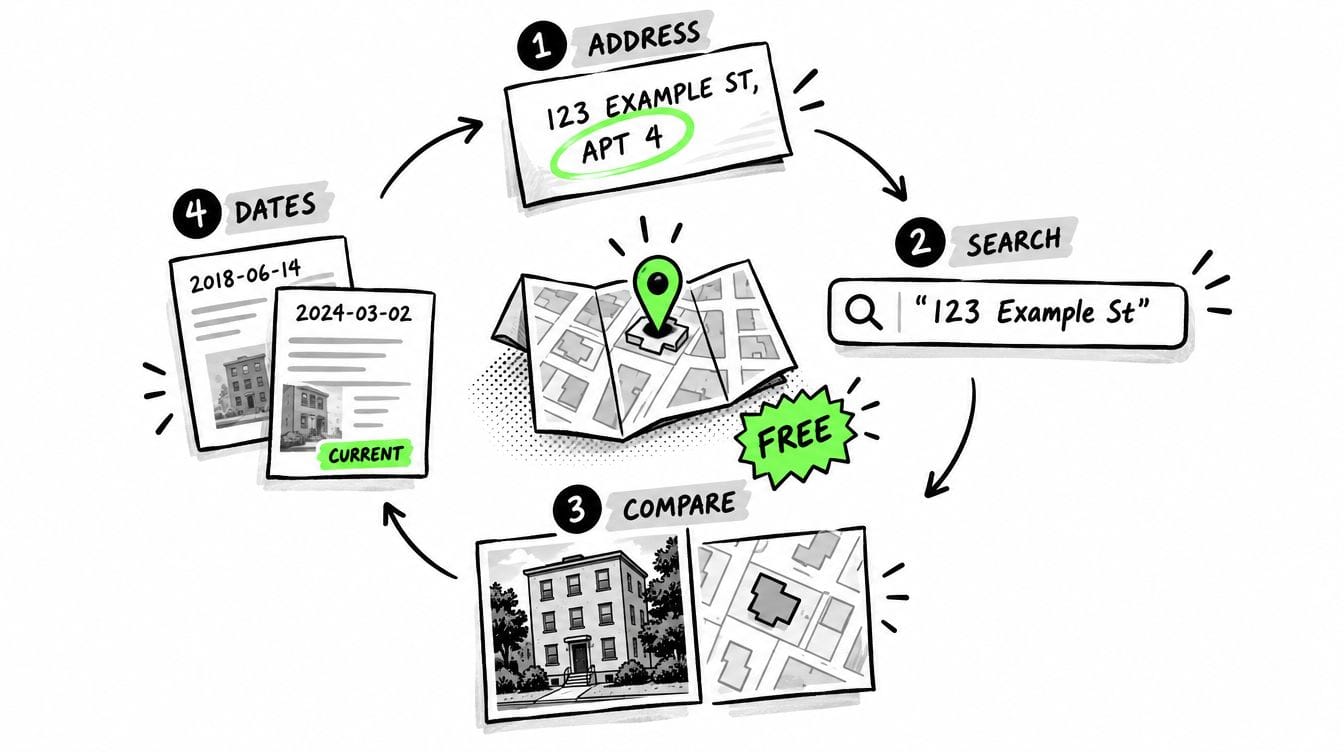
1. Confirm the address and apartment number
Include the city, state and known unit. Try street-name variants such as “Street” and “St” or “North” and “N.”
Search the full unit first. Remove it only to investigate the building, keeping those results separate.
2. Search the address with targeted queries
These fictional examples demonstrate the format:
Google supports quotes, site: and filetype:. These search indexed pages. Search the government portal directly when web results are missing.
3. Compare maps and property photographs
Maps can distinguish a house, apartment block or office. Compare building details with listing photographs.
Google Street View offers “See more dates” where available. Compare buildings and signage over time. Check capture dates; imagery does not establish current occupancy.
4. Check record dates and build a timeline
Separate the event date, record date and date you accessed the page.
A page viewed today may describe a 2019 sale. An updated directory may still contain older associations.
Record each finding as a limited claim: “listed as owner,” “associated with address” or “advertised for rent.” This keeps your conclusion aligned with the evidence.
Address lookup by name: how to find someone's address
An address lookup by name starts with a person rather than a street address. Use a name-based directory search when you know who you are looking for but lack a usable address.
- Enter the full name and a known city or state.
- Compare candidates using independently known details.
- Review reported address histories and available dates.
- Confirm the relevant address before using it.
If you searched “how to find address of someone”, consider whether a public contact page would let you reconnect. For mailing, ask where the person prefers to receive correspondence.
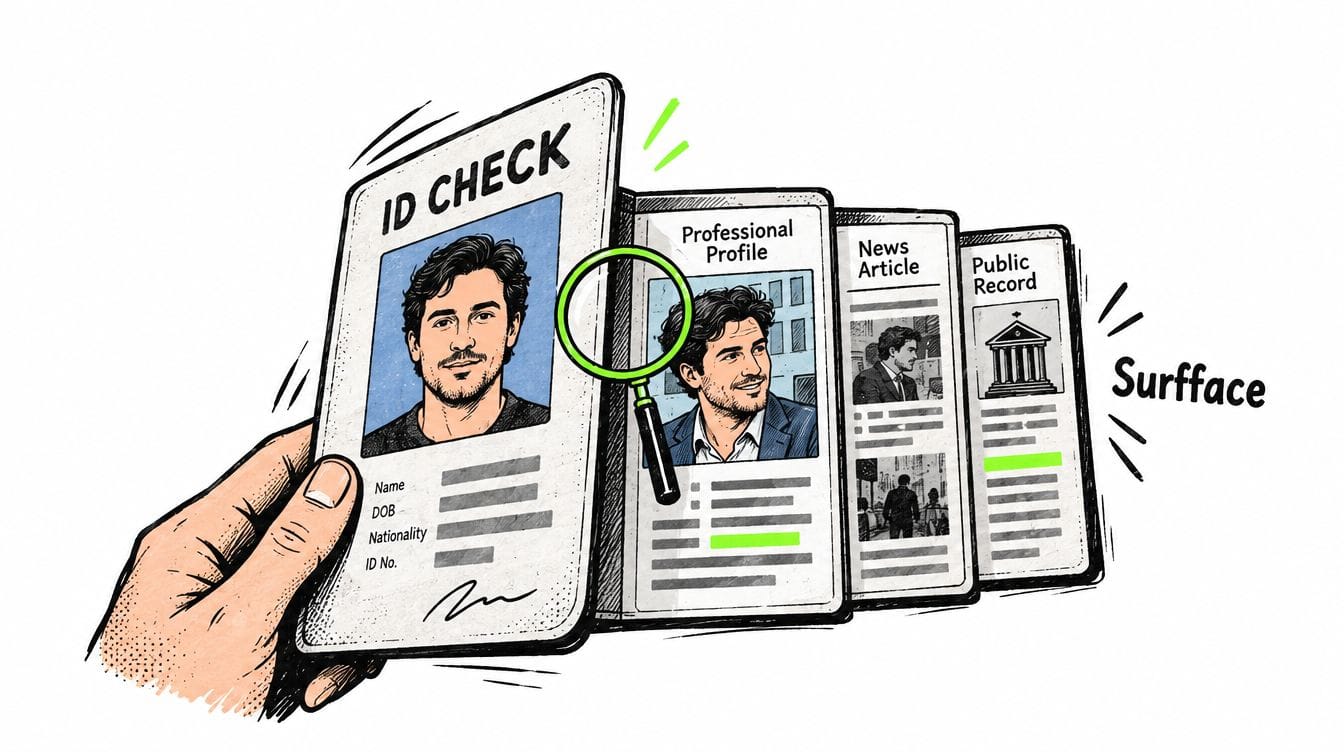
A name match requires verification. If the name is missing or questionable, start with a photo.
Only have a photo? Start with Surfface face search
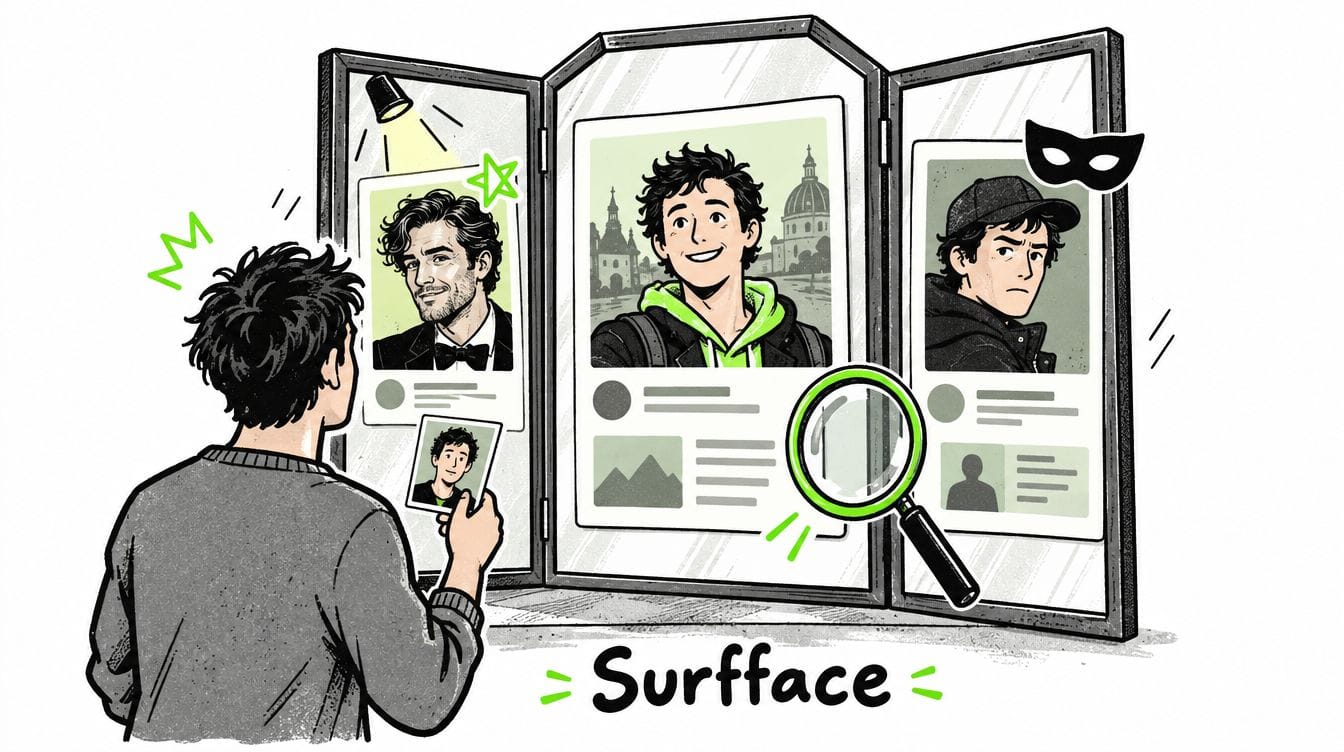
A backwards address lookup needs a usable address. When you only have a photograph, Surfface helps you begin with public-source identity clues.
Surfface is a face search orchestrator combining its index with major image engines and third-party tools. Discover possible matches from public social profiles, news, blogs and available U.S. mugshot or offender records.
- Upload a clear adult face photo.
- Start the free search.
- Review possible matches.
- Pay to unlock source links when relevant.
- Verify names, dates and context on the original pages.
If the photo appears under another identity, investigate whether it was copied. The person pictured may be unrelated to the account contacting you.
A face match does not establish residence. Searches involving minors are prohibited and geographic restrictions apply.
Can you check registered sex offenders by address?
Use NSOPW or the relevant official jurisdiction registry. NSOPW is free and supports geographic searching where participating jurisdictions provide the necessary data. Address-radius coverage varies.
Check whether a result concerns a residence, workplace or school. A nearby result is different from a match at the exact address. Verify the originating registry record and its date.
With only a photo, Surfface's registered sex offender face search can surface possible public-record leads for verification. An empty search is not a guarantee of safety.
Use public information responsibly. Surfface is not a consumer reporting agency. Do not use it for employment, tenant screening, credit or insurance decisions or as the sole basis for safety decisions.
FAQ
Backwards address lookup, also called reverse address lookup, starts with a street address to find associated people, property records or businesses. The right method depends on your goal: resident directories provide person-address leads while assessor and deed records concern ownership. First distinguish the property address, apartment number and owner mailing address. Mixing these fields can connect the wrong person or household to a property.
Search a resident directory such as TruePeopleSearch, Whitepages or Spokeo using the complete address and apartment number. Compare candidates' address histories and look for dated corroboration from a different source type. If a tool drops the unit number, treat its results as building-level associations. Multiple names may represent successive occupants rather than one household. Property ownership records generally cannot identify current tenants and public sources may leave current occupancy unresolved.
Useful parts of a backwards address lookup can be free, including indexed web pages, accessible county records and some directory results. TruePeopleSearch advertises free reverse address lookup but sponsored links may lead to paid services. Start with the address in quotation marks plus the city, then try street-name abbreviations if results are sparse. Before buying a report, check whether it includes the missing information, provides meaningful dates and creates a recurring subscription. Payment does not guarantee fresher data.
Zillow provides property context rather than a verified list of residents. Listing photographs, property type and sale or rental history can help you assess other findings. For example, a recent listing gives you a reason to investigate whether a directory association is outdated. It does not prove that someone moved. Compare listing dates and contact details across platforms when checking a rental advertisement. A listing agent is not necessarily the owner and an owner is not necessarily an occupant.
Start with the official county assessor or property-appraiser portal, identify the correct parcel and review relevant recorded deeds through the local land-records office. Check for later transfers rather than relying on one older document. If address searching fails, use the parcel identifier and preserve leading zeros. Confirm that the record covers the correct apartment, condominium unit or lot. An owner's mailing address may differ from the property address. For entity-owned property, a registered agent should not be mistaken for the owner.
Address lookup by name searches reported address associations using a person's name, usually narrowed by city or state. Try known name variants and compare candidates with details you already know independently. Review address histories instead of selecting the first “current” result. A matching name and approximate age can still describe someone else. If your goal is reconnecting or sending correspondence, an established contact channel and direct address confirmation may be more useful than an uncertain residential listing.
Yes. Surfface can surface possible face matches and public-source identity clues when a reliable name or address is missing. Start with a clear adult face photo, review the free results and unlock relevant source links to inspect names, dates and context. If the image appears under another identity, investigate whether it was copied: the person pictured may be unrelated to the account contacting you. A similarity score does not prove identity and a location mentioned on a matching page does not establish residence.
Different sources may describe different relationships or periods: an assessor lists an owner, a directory lists a former tenant and a business filing lists a mailing address. Compare the exact unit, source purpose and relevant dates before treating the results as contradictory. Separate the event date from the page's update date and the date you viewed it. Several directories repeating one association may share the same underlying data. Prefer relevant original evidence and keep unresolved findings labeled as possible associations.

Stan leads product marketing at Surfface, bringing a mix of experience in OSINT and private investigations, along with expertise in digital marketing and product management.